
Introduction
The global automotive industry is undergoing a transformative shift driven by electrification, connectivity, and智能化 (intelligentization). Among these changes, the demand for reliable, efficient, and adaptable automotive wiring harness connectors has never been higher. In 2024, key trends like electric vehicle (EV) adoption, ADAS integration, and lightweight design are reshaping the automotive connector landscape. Among these innovations, 2-pin automotive connector solutions like the DJ7028K-2.8-21 are emerging as critical components for modern vehicle architecture.
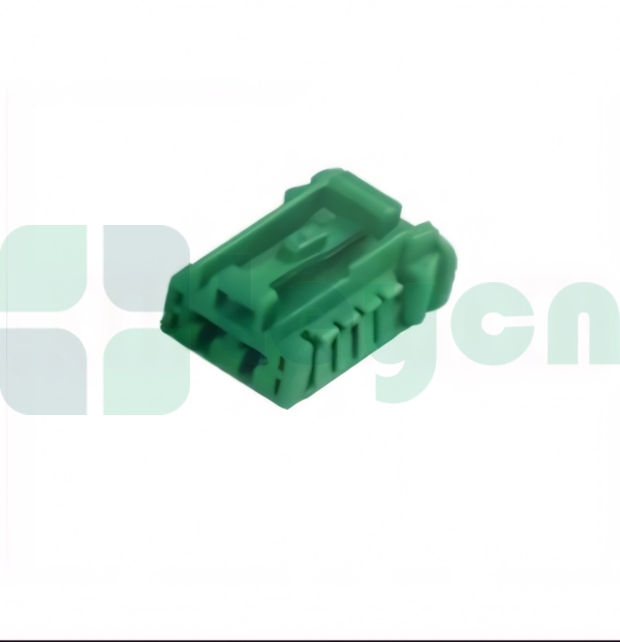
DJ7028K-2.8-21
1. EV Revolution: Shaping Connector Requirements
With EV sales projected to reach 25% of global automotive output by 2030 (per IEA), the need for robust electrical systems is intensifying. EVs demand connectors that handle higher voltage (up to 1000V DC in some models) and withstand thermal cycling during charging/discharging. The DJ7028K-2.8-21, a 2-pin automotive wiring harness connector, excels here due to its compact design and universal compatibility across EV platforms, including hybrid and plug-in hybrid vehicles.
2. Connectivity and Smart Systems Integration
ADAS, infotainment, and over-the-air (OTA) updates are driving the need for dense, reliable connections. The DJ7028K-2.8-21’s 2-pin configuration supports sensor clusters, lighting systems, and battery management modules (BMS) — all essential for vehicle connectivity solutions. Its standardized 2.8mm pitch ensures seamless integration with existing wiring harnesses, reducing development time for OEMs.
3. Lightweighting and Miniaturization
Automakers are prioritizing lightweight materials to improve range and fuel efficiency. The DJ7028K-2.8-21’s miniaturized 2-pin design (2.8mm terminal pitch) minimizes harness weight while maintaining durability. This aligns with industry trends toward 10-15% lighter vehicle architectures by 2025, as reported by McKinsey & Company.
4. Global Standardization and Supply Chain Efficiency
As automotive supply chains globalize, connectors must adhere to ISO/SAE standards. The DJ7028K-2.8-21 is engineered for universal compatibility, making it a preferred choice for automotive connector industry trends focused on cross-platform integration. Its 2-pin format simplifies production lines, reducing component inventory and assembly errors.
5. Sustainability and Durability
Today’s connectors are expected to meet stringent environmental regulations. The DJ7028K-2.8-21 uses RoHS-compliant materials and IP67-rated sealing, ensuring resistance to moisture, dust, and vibration — critical for under-hood and body applications. This durability reduces warranty costs and aligns with automakers’ ESG goals.
Conclusion
As the automotive industry evolves, 2-pin connectors like the DJ7028K-2.8-21 are proving indispensable. Their adaptability to EVs, connectivity needs, and sustainability goals position them as cornerstones of modern vehicle design. For OEMs and suppliers, embracing such automotive connector industry trends is key to staying competitive in a rapidly changing market.