
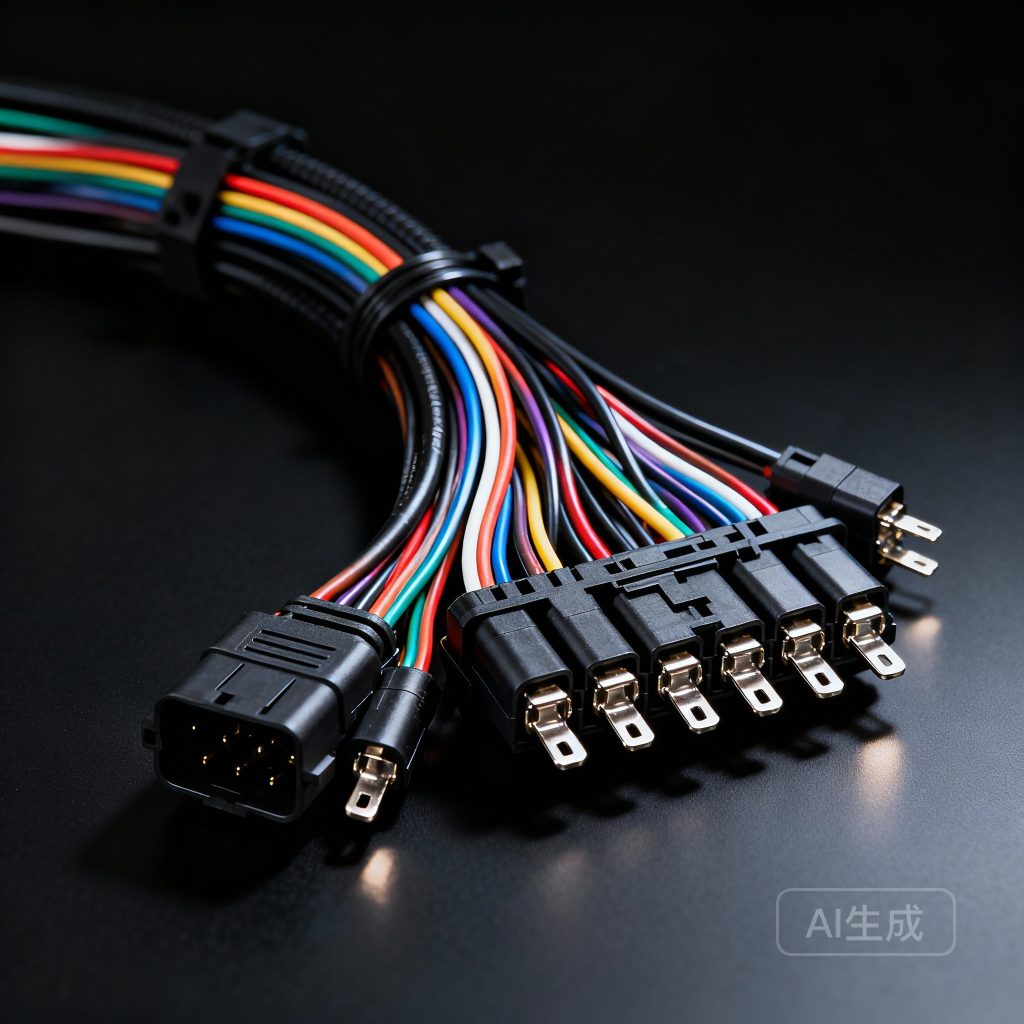
The automotive industry is undergoing a rapid transformation driven by technological advancements, sustainability goals, and evolving consumer demands. At the heart of this evolution lies the automotive harness connector, a critical component that ensures reliable electrical connectivity in vehicle systems. Among these, 3Pin connectors like the DJ7033-7.8-11 play a pivotal role, especially as the industry shifts toward electrification, ADAS integration, and smarter vehicles. In this article, we explore the key trends shaping the automotive connector landscape and how solutions like the DJ7033-7.8-11 are positioned to meet these challenges.
1. Electrification: The New Normal for Vehicle Connectivity
Electric vehicles (EVs) and hybrid vehicles are no longer niche; they’re becoming mainstream, accounting for over 14% of global car sales in 2023 (source: IEA). This shift demands connectors that can handle higher voltages, resist thermal stress, and maintain durability in harsh environments. The 3Pin connector category, including the DJ7033-7.8-11, is adapting by incorporating features like:
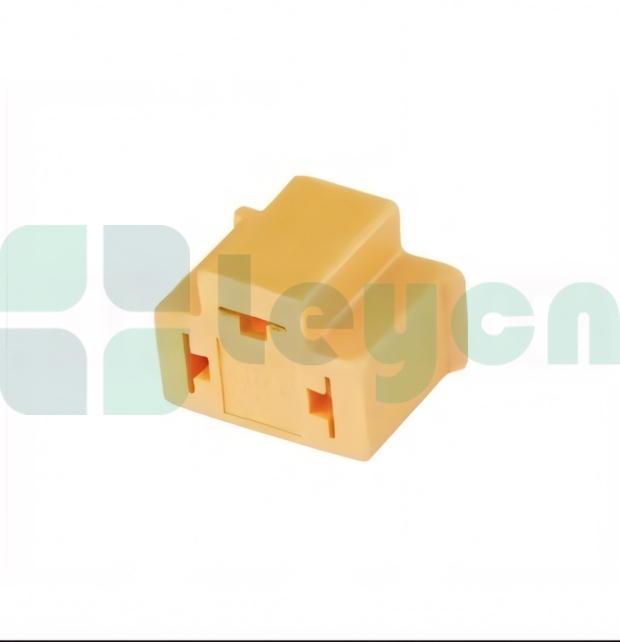
DJ7033-7.8-11
- Higher current ratings (up to 30A, depending on design) to support EV powertrains
- Enhanced insulation materials (e.g., high-temperature thermoplastics) to withstand battery compartment temperatures
- Sealing capabilities (IP67/IP68 ratings) to prevent moisture ingress in wet conditions
The DJ7033-7.8-11, designed for general-purpose vehicles, now integrates these EV-ready features, making it a versatile choice for both traditional ICE (internal combustion engine) and hybrid/electric applications.
2. Miniaturization and Space Efficiency
Modern vehicles are packed with technology—from infotainment systems to ADAS sensors—requiring more connections in tighter spaces. The push for miniaturization has led to smaller, high-density connectors. The DJ7033-7.8-11 exemplifies this trend with its compact 7.8mm pitch design, allowing it to fit into wiring harnesses where space is limited, such as in the dashboard or undercarriage.
Smaller connectors also reduce weight, a critical factor for EV efficiency, and simplify installation for manufacturers. This miniaturization trend ensures that even 3Pin connectors like the DJ7033-7.8-11 can support complex electrical systems without compromising performance.
3. Smart Vehicles and ADAS Integration
Advanced Driver-Assistance Systems (ADAS) rely on real-time data transfer between sensors, cameras, and control units. This requires connectors with low signal loss and high reliability. The DJ7033-7.8-11, as a vehicle wiring harness component, now includes features like:
- Shielded contacts to minimize electromagnetic interference (EMI)
- Locking mechanisms to prevent accidental disconnection during vehicle operation
- Diagnostic-ready terminals for easier troubleshooting
These features ensure that even simple 3Pin connectors maintain the integrity of critical electrical signals, a must for ADAS functionality.
4. Sustainability and Longevity
With growing environmental concerns, automotive manufacturers are prioritizing sustainable materials and recyclable components. The DJ7033-7.8-11 is being designed with eco-friendly plastics and recyclable metal alloys, reducing its carbon footprint. Additionally, improved durability means longer connector lifespans, lowering replacement costs and waste.
Conclusion
As the automotive industry evolves, automotive connector technology continues to adapt, and 3Pin connectors like the DJ7033-7.8-11 are at the forefront of this change. By addressing trends like electrification, miniaturization, and sustainability, these connectors remain indispensable for ensuring reliable electrical systems in both current and future vehicles. For manufacturers and vehicle owners seeking a versatile, high-performance solution, the DJ7033-7.8-11 stands as a prime example of how 3Pin connectors are shaping the industry’s future.