
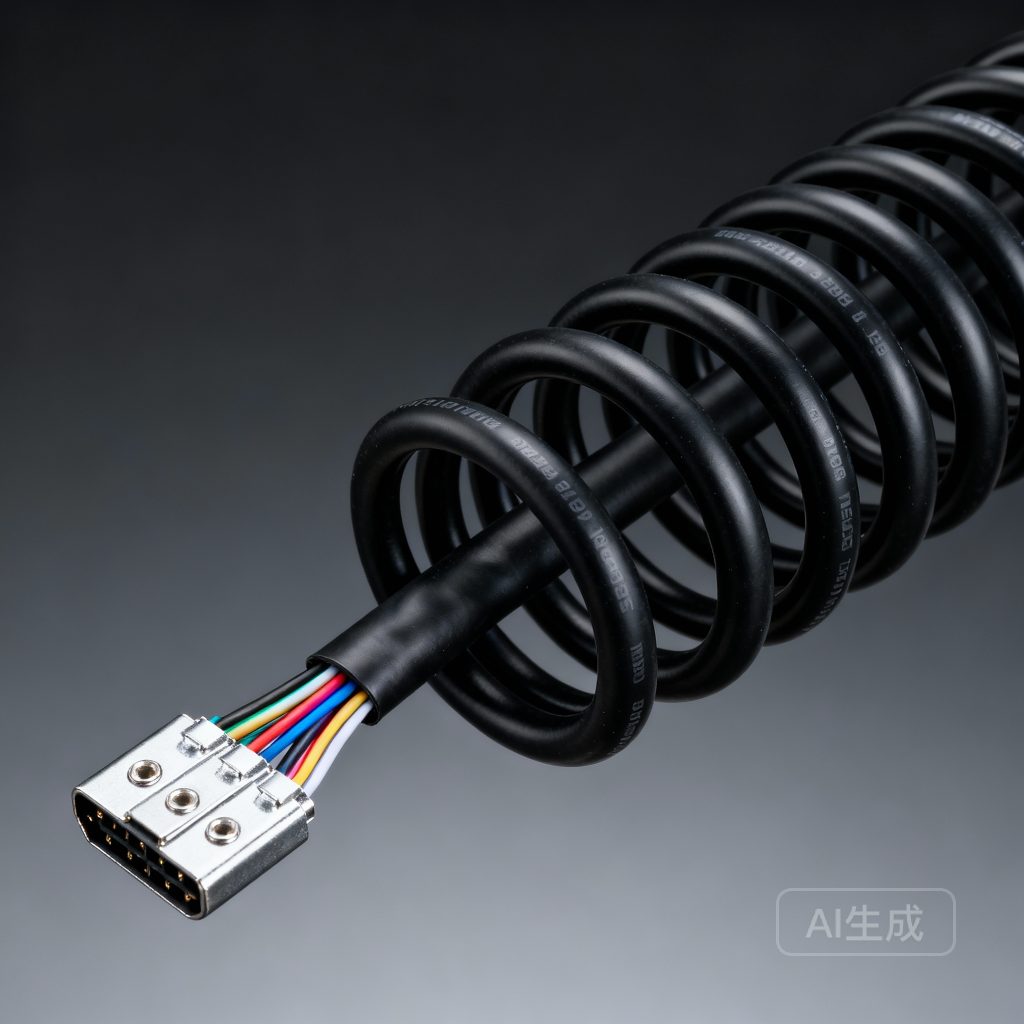
Automotive wiring harness connectors are the unsung heroes of vehicle electrical systems, ensuring the seamless transmission of power and data between critical components. As the automotive industry undergoes rapid transformation—driven by electrification, autonomous driving, and smart connectivity—these connectors are evolving at an unprecedented pace. In 2024, several key trends are reshaping the automotive connector landscape, from material science breakthroughs to universal fitment solutions. Let’s explore how these shifts are influencing the industry and what they mean for manufacturers, suppliers, and vehicle owners alike.
The EV Revolution: Redefining Connector Performance
Electric vehicles (EVs) have emerged as the dominant force in automotive innovation, and this shift is fundamentally altering the requirements for wiring harness connectors. Unlike traditional internal combustion engine (ICE) vehicles, EVs demand connectors that can handle higher current loads, withstand extreme temperatures, and resist moisture—all while minimizing weight and size. For example, the DJ7048A-1.5-11-#FG331, a 4-pin automotive connector, exemplifies this trend: its compact design and robust construction make it ideal for integrating high-power components like battery management systems (BMS) and electric motors in EVs and hybrid vehicles.
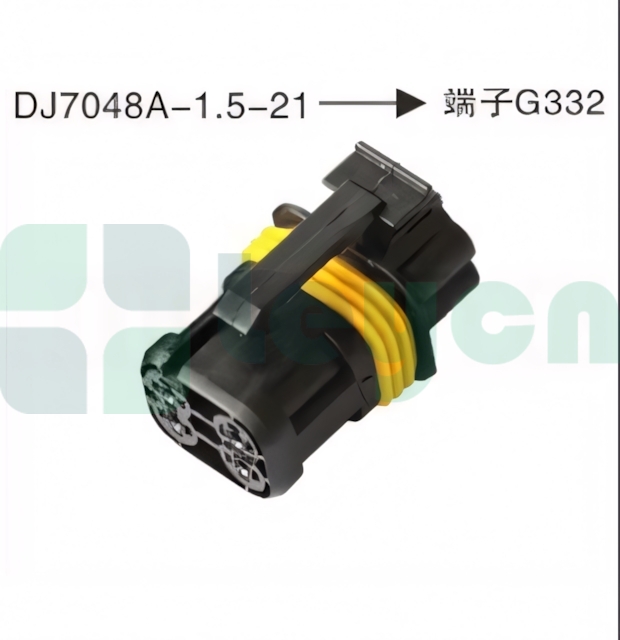
Industry reports project EV adoption to reach 35% of global new car sales by 2030, up from 14% in 2022 (Statista, 2024). This surge is driving demand for connectors with enhanced thermal stability and IP67/IP68 waterproof ratings. Manufacturers are responding by developing connectors with gold-plated contacts, heat-resistant plastics, and integrated strain relief—features that directly address the challenges of EV powertrains.
Smart Connectivity: ADAS and Vehicle Intelligence
Advanced Driver-Assistance Systems (ADAS) and autonomous driving technologies are creating a new era of connectivity needs for automotive connectors. These systems rely on high-speed data transmission between sensors (radar, LiDAR, cameras), ECUs, and infotainment units. Connectors must now support multi-gigabit Ethernet protocols, ensuring zero latency for real-time decision-making.
Moreover, ADAS components operate in harsh environments, from extreme temperatures to vibration. The automotive wiring harness connector must therefore balance durability with miniaturization. The DJ7048A-1.5-11-#FG331, with its 4-pin configuration, is increasingly popular in ADAS modules due to its ability to handle both power and low-voltage signals in compact, space-constrained engine bays.
Lightweighting and Sustainable Materials
As automakers prioritize fuel efficiency and reduced carbon footprints, lightweighting has become a critical focus. Traditional metal connectors are being replaced with lightweight, eco-friendly materials like reinforced plastics and aluminum alloys. These materials not only cut vehicle weight but also improve recyclability—a key trend in the push for sustainability.
For instance, the wiring harness technology is evolving to use composite materials that offer the same conductivity as metals but with 30-40% less weight. This shift reduces energy consumption and aligns with global sustainability goals, making connectors like the DJ7048A-1.5-11-#FG331 (designed for universal fitment across ICE and EV platforms) more versatile than ever.
Universal Fitment: Adapting to Diverse Vehicle Fleets
Today’s automotive landscape demands flexibility. OEMs and aftermarket suppliers increasingly require connectors that can adapt to multiple vehicle models, years, and platforms. The 4-pin automotive connector is a prime example of this trend: its standardized design allows it to be used in everything from economy cars to luxury SUVs, reducing inventory costs and simplifying production.
Manufacturers like automotive connector manufacturer are capitalizing on this by offering modular connector systems, where components can be swapped or upgraded without overhauling the entire wiring harness. The DJ7048A-1.5-11-#FG331, with its universal fitment, is a go-to solution for companies seeking compatibility across diverse vehicle fleets.
Future-Proofing: Beyond the Vehicle
Looking ahead, automotive connectors must support emerging technologies like Vehicle-to-Everything (V2X) communication, 5G integration, and IoT-enabled services. This requires connectors with built-in security features and compatibility with future protocols, such as high-speed USB-C and Ethernet-based interfaces.
As the industry moves toward a more connected ecosystem, the role of the automotive wiring harness connector will expand beyond simple power/data transfer to become a cornerstone of vehicle intelligence. Innovations like modular connectors and bi-directional power delivery are already paving the way for this future.
Key Takeaways for 2024 and Beyond
To stay competitive, stakeholders in the automotive connector space must prioritize EV-ready designs, smart connectivity, and sustainable materials. For buyers, focusing on universal-fit connectors like the DJ7048A-1.5-11-#FG331 ensures long-term adaptability and cost savings. As the industry evolves, the ability to balance innovation with reliability will define success.
By embracing these trends, automotive connector manufacturers can not only meet today’s demands but also future-proof their products for the next generation of smart, electric vehicles.