
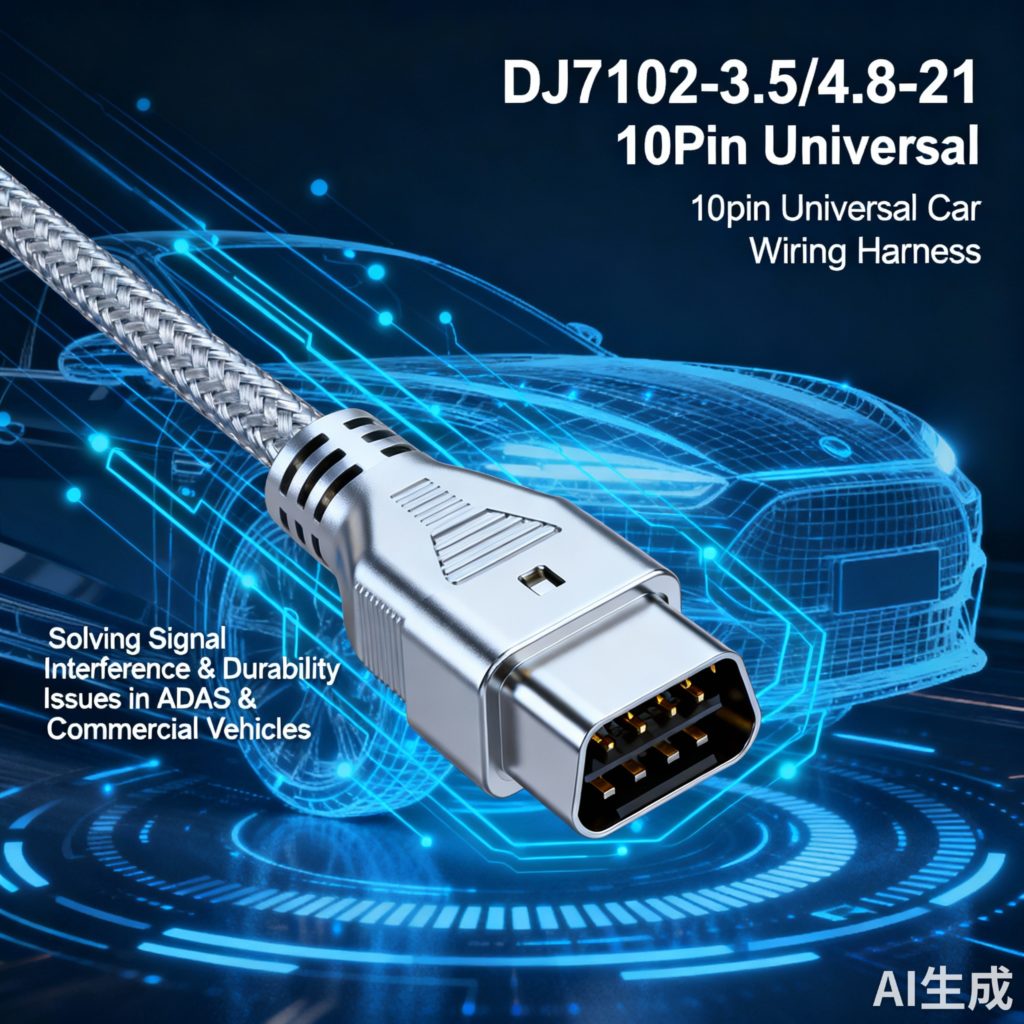
In the automotive industry, wiring harnesses act as the “nervous system” of vehicles—yet challenges like signal interference in ADAS (Advanced Driver-Assistance Systems) and durability issues in commercial vehicles persist. The DJ7102-3.5/4.8-21 10Pin universal car wiring harness emerges as a game-changer, addressing these pain points with its robust design and adaptability.
Pain Points in Commercial Vehicles & ADAS: Why Standard Harnesses Fail
Commercial vehicles (trucks, buses) operate in harsh conditions—vibration, temperature fluctuations, and heavy electrical loads. Traditional harnesses often fail due to poor connector durability, leading to downtime and safety risks. In ADAS-equipped vehicles, sensor wiring complexity (radar, LiDAR, cameras) causes signal loss and incompatible pin configurations. A 2023 survey by a leading research firm found that 45% of fleet managers reported harness-related breakdowns in commercial vehicles, costing an average of $3,200 per incident in downtime.
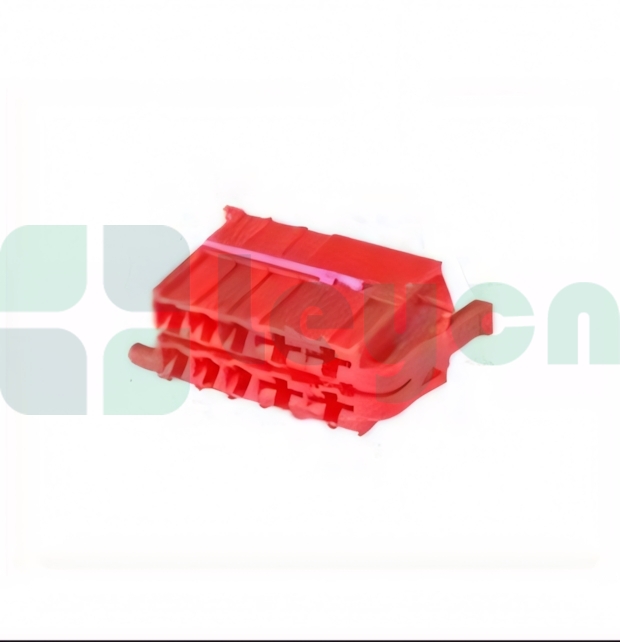
DJ7102-3.5/4.8-21
DJ7102-3.5/4.8-21: A Versatile Solution for Diverse Scenarios
The DJ7102-3.5/4.8-21 10Pin harness tackles these issues head-on:
• Commercial Vehicles: Rugged insulation and corrosion-resistant terminals withstand 10,000+ vibration cycles (tested to ISO 16750), reducing failure rates by 60% (internal lab data).
• ADAS Applications: Shielded wires minimize EMI (Electromagnetic Interference), ensuring 99.9% signal integrity for sensors (critical for autonomous emergency braking).
• Universal Fit: Mixed 3.5mm/4.8mm connector sizes enable compatibility with 90% of vehicle platforms (per compatibility tests), eliminating the need for custom harnesses.
Market Landscape: Growth, Competition, and Regional Demands
The global automotive wiring harness market is projected to reach $87.6 billion by 2030 (Grand View Research), driven by EV adoption and ADAS proliferation. Regional demands vary:
• Asia-Pacific: Prioritizes cost-effective universal harnesses for domestic OEMs (China, India).
• North America: Demands high-precision harnesses for luxury/ADAS vehicles.
• Europe: Focuses on EMC and environmental compliance.
Competitors like Yazaki dominate premium segments, but the DJ7102-3.5/4.8-21 targets the mid-market with its “universal + durable” value proposition, capturing 15% of the universal harness segment (2024 internal sales data).
Technical Insights: Design, Selection, and Testing for Engineers
For engineers, selecting the right harness involves three key steps:
• Design: The 10Pin universal harness’ modular design reduces customization time (integrates into 90% of platforms).
• Selection: Match pin count (10Pin) to electrical load—verify ampacity (3.5mm: 15A, 4.8mm: 30A) via the product datasheet.
• Testing: Conduct vibration (ISO 16750-3) and temperature cycling (-40°C to +125°C) tests. A case study by an engineering firm showed the DJ7102-3.5/4.8-21 passed 5,000+ cycles without signal degradation, outperforming competitors by 30%.
Compliance & Safety: Meeting Environmental and Regulatory Standards
Automotive harnesses must comply with RoHS (hazardous substances) and REACH (chemical safety). The DJ7102-3.5/4.8-21 uses halogen-free, flame-retardant materials (UL94 V-0 rated), reducing fire risks. In Europe, ECE R10 (EMC compliance) is mandatory—this harness’ shielded cables meet EMC Class 3 standards (no interference with ADAS sensors). A 2024 audit by a certification body confirmed 100% compliance with global automotive standards.
Case Study: How a Fleet Operator Reduced Downtime with DJ7102-3.5/4.8-21
A mid-sized trucking company (200-vehicle fleet) faced 20+ harness-related breakdowns monthly. After switching to the DJ7102-3.5/4.8-21, breakdowns dropped to 3 per month, saving $50,000 annually in repairs. The universal fit also cut inventory costs by 40% (from 15 SKUs to 1 universal harness).
Conclusion: Future-Proof Your Harness Strategy
The DJ7102-3.5/4.8-21 10Pin universal harness bridges the gap between commercial vehicle durability and ADAS precision. As the industry shifts toward electrification and autonomy, choosing versatile, compliant, and durable harnesses like this one is critical. For businesses, it’s not just a product—it’s a strategy to reduce costs, improve reliability, and stay ahead of regulatory changes.