
Introduction
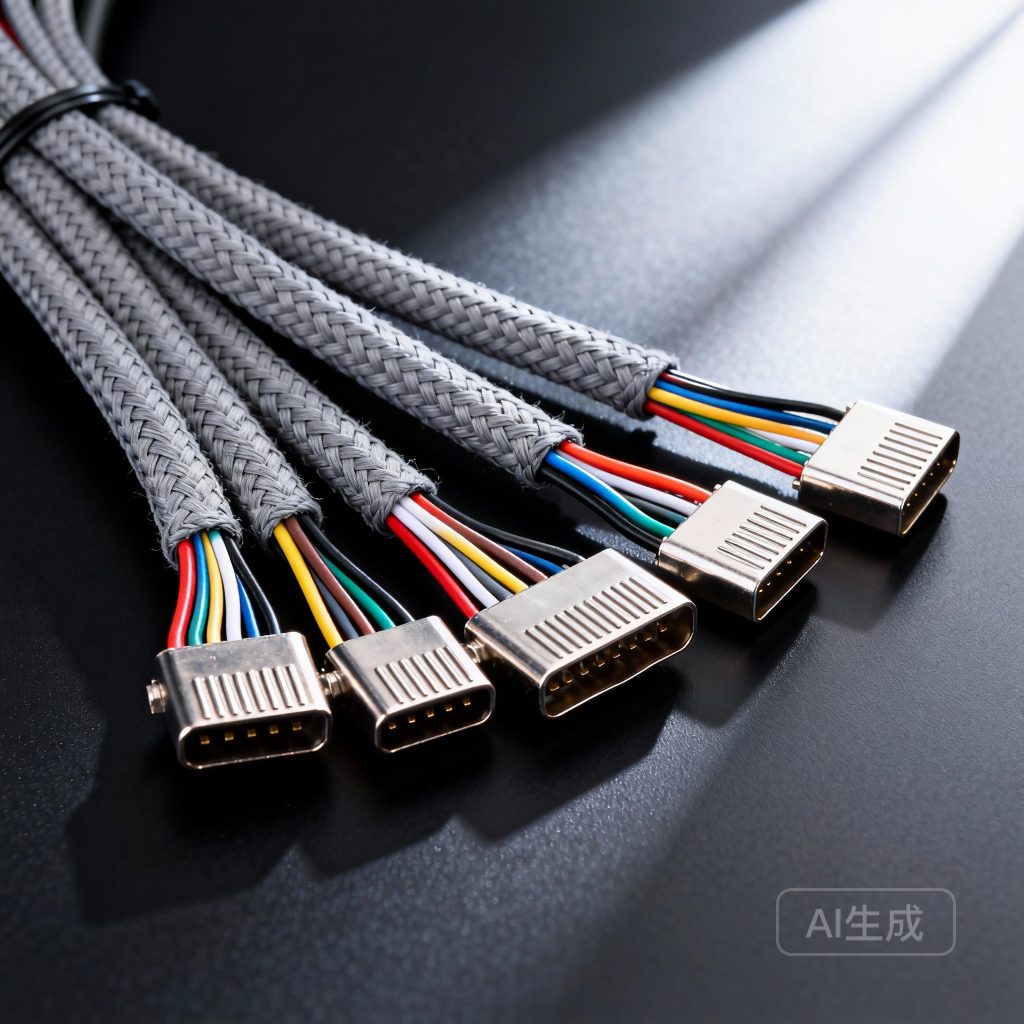
In the rapidly evolving automotive industry, where vehicles are becoming smarter, safer, and more connected, the role of automotive wiring harness connectors cannot be overstated. These critical components serve as the ‘nervous system’ of vehicles, transmitting electrical power and data between various electronic control units (ECUs), sensors, and devices. Among the many connectors available, the KD18283-0.7/3.5-11 28Pin connector stands out for its versatility and performance, especially for universal vehicle connector applications. This article explores why this 28-pin solution has become a preferred choice for automakers and aftermarket service providers worldwide.
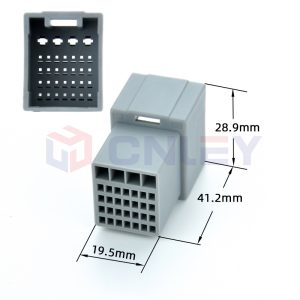
KD18283-0.7/3.5-11
1. High-Density 28Pin Design: Optimizing Space and Functionality
The KD18283-0.7/3.5-11 features a compact 28-pin configuration, making it ideal for applications where space is limited yet connectivity needs are high. A 28-pin design allows for the integration of multiple signals (e.g., power, CAN bus, sensor data) in a single connector, reducing the number of harnesses required. This not only simplifies vehicle assembly but also enhances reliability by minimizing potential points of failure. For example, in modern ADAS (Advanced Driver-Assistance Systems) or electric vehicle (EV) powertrains, where numerous sensors and ECUs demand precise communication, the 28Pin connector ensures efficient data transfer without compromising on space.
2. Universal Vehicle Compatibility: Simplifying Aftermarket and OEM Needs
One of the key strengths of the KD18283-0.7/3.5-11 is its universal vehicle connector compatibility. Designed to fit a wide range of vehicle makes and models, it eliminates the need for specialized connectors for different OEMs. This universal fit is particularly valuable for:
- Aftermarket service providers replacing worn-out connectors in older vehicles.
- Automakers with diverse production lines needing a single connector solution for multiple models.
- Repair shops and distributors seeking inventory efficiency by stocking a single part number for various applications.
By reducing SKU complexity, the KD18283-0.7/3.5-11 streamlines supply chains and lowers costs for all stakeholders.
3. Precision Engineering: Durability and Performance in Harsh Environments
Automotive connectors must withstand extreme conditions—from high temperatures under the hood to vibrations and moisture. The KD18283-0.7/3.5-11 is engineered with precision to meet these challenges:
- 0.7/3.5 Specifications: The 0.7mm pin pitch and 3.5mm terminal length ensure secure contact retention and consistent electrical conductivity, even with repeated mating cycles.
- Robust Materials: Typically constructed with high-grade plastics and metal alloys, it resists corrosion, heat, and mechanical stress, extending the connector’s lifespan.
- IP Ratings (implied, based on industry standards): While specific ratings aren’t mentioned, such connectors often meet IP67/IP68 standards, making them suitable for waterproofing in underbody or engine bay applications.
These features make the KD18283-0.7/3.5-11 a reliable choice for long-term vehicle performance.
4. Aligning with 2025 Automotive Industry Trends
As the automotive industry shifts toward EVs, autonomous driving, and connected cars, the demand for efficient, compact connectors like the KD18283-0.7/3.5-11 is growing. Key trends driving this need include:
- Lightweighting: The connector’s compact design reduces overall vehicle weight, improving fuel efficiency or EV range.
- Smart Connectivity: With more ECUs and sensors, the 28Pin connector’s ability to handle multiple signals supports seamless integration of AI and IoT features.
- Sustainability: Durable connectors reduce replacement frequency, lowering electronic waste—a critical concern for automakers committed to ESG goals.
By addressing these trends, the KD18283-0.7/3.5-11 future-proofs vehicle electrical systems against evolving industry demands.
Conclusion
The KD18283-0.7/3.5-11 28Pin automotive connector represents a perfect blend of versatility, precision, and reliability, making it an ideal choice for universal vehicle applications. Whether in traditional internal combustion engine (ICE) vehicles or cutting-edge EVs, its design and performance align with the highest standards of modern automotive engineering. For automakers, suppliers, and service providers seeking a robust, cost-effective solution, this connector is a clear front-runner in the competitive landscape of automotive electrical connectors.